
Towards Hayat Al-Tayyibah
Qur’anic Guidance for Good Life
Live online (with LMS resources)
Saturday, May 9, 2026
Sunday, May 17, 2026
4 live sessions (90–120 minutes each)
Tuition: Free
Administrative Fee: $25
Live sessions (Makkah Time — UTC+3):
- May 9 — 2:30 PM
- May 10 — 2:30 PM
- May 16 — 2:30 PM
- May 17 — 2:30 PM
English
Instructor
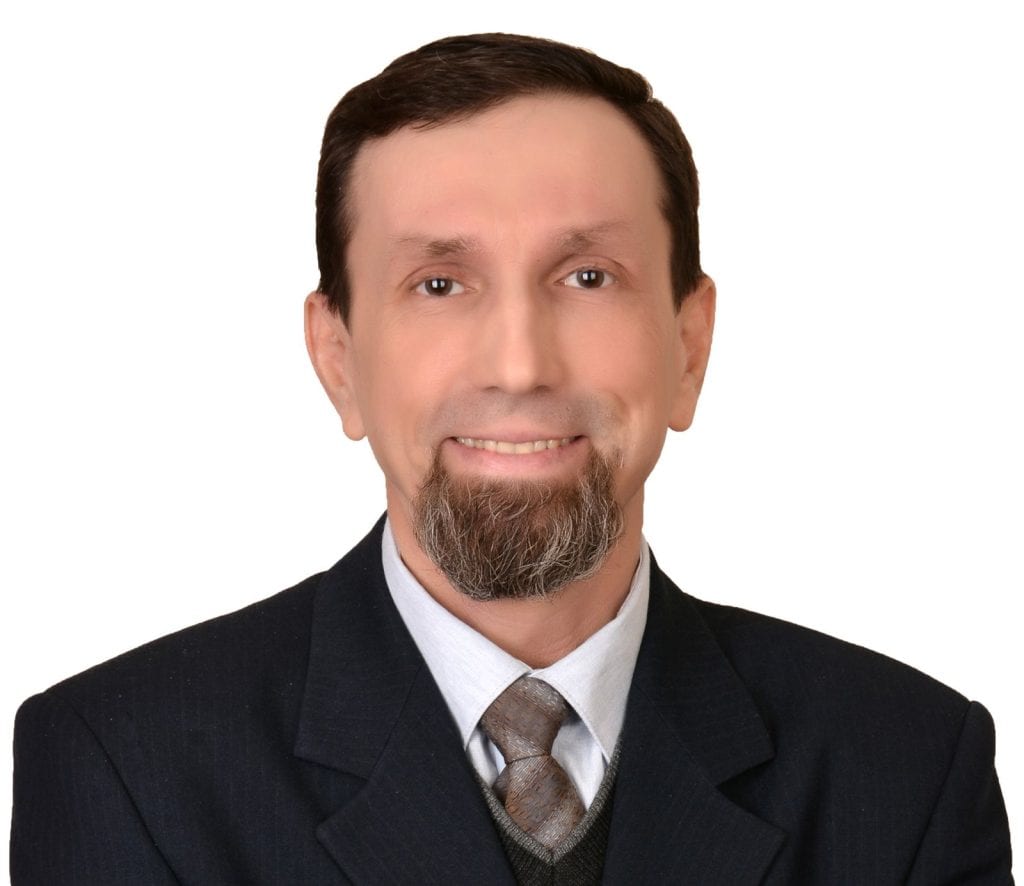
Ildus Rafikov
MI Vice President - Research
Dr. Ildus Rafikov is vice president of research at the Maqasid Institute. holds a Ph.D. from ISTAC/IIUM in Philosophy, Ethics, and Contemporary issues with a special interest in Islamic economics, banking, and finance. He also holds a Chartered Islamic Finance Professional (CIFP) degree in Islamic banking and finance from the International Center for Education in Islamic Finance (INCEIF), Kuala Lumpur, and a bachelor’s degree in Communications from IIUM. Dr. Ildus Rafikov has written and published a number of academic articles in indexed and non-indexed journals on economic methodology, speculation, scarcity, sustainability, financial crises, banking and finance, monetary policy, awqaf, reform in education from historical and contemporary perspectives.
Course Learning Outcomes
Upon completing the course, participants will be able to:
- Articulate the meaning and personal significance of Hayyat Al-Tayyibah.
- Reflect on real-life situations using Qur’anic metaphors and guidance.
- Apply Islamic values to foster inner peace, positive relationships, and personal growth.
Certification Requirement
- 100% attendance in all sessions (live or recorded with discussion contributions)
- Submission of reflection paper
Course Overview
This course explores the concept of Hayyat Al-Tayyibah (Good Life) from an Islamic holistic perspective, integrating insights from modern psychology, sociology, neuroscience, and Islamic studies. It aims to reconnect participants with the Qur’anic understanding of a good life, emphasizing timeless values that promote mental, physical, and spiritual well-being. Participants will learn how to use the Qur’an as a framework for thinking, envisioning, and interpreting the world around them, moving beyond ritual practice to a deeper understanding of life’s purpose. The course is designed for a general audience and provides practical guidance for personal and community growth. Through this journey, participants will explore the relationship between faith, positive psychology, moral development, and overall life satisfaction, ultimately learning how to cultivate balanced, meaningful, and purposeful lives.
Course Objectives
By the end of the course, participants will:
- Understand the concept of Hayyat Al-Tayyibah from a Qur’anic perspective and its application to well-being.
- Reflect on and interpret life experiences using Qur’anic concepts and values.
- Develop practical strategies for building a meaningful and balanced life guided by Islamic principles.
Course Outline
Session 1: Understanding the Good Life – Foundations and Framewor
Explore the Quranic basis of Hayat Al-Tayyibah (16:97) and its parallels in modern positive psychology.
Session 2: Building the Good Life – Personal Growth and Inner Well-Being
Focus on building resilience and inner peace through Tawakkul, contentment, and practical spiritual routines.
Session 3: Sustaining the Good Life – Peace through Connection and Purpose
Discover how connection to Allah and ethical social conduct cultivate lasting inner calm and fearlessness.
Session 4: Good Life in Action – From Righteousness to Flourishing
Transition from belief to active service and justice, creating a personal roadmap for holistic flourishing.
Assessment
Final Reflection Paper (up to 1500 words)
- Participants will write a reflective essay based on Qur’anic passages discussed in the course. Prompts and a rubric will be provided.
- Purpose: To assess personal integration of course teachings and individual insights.