

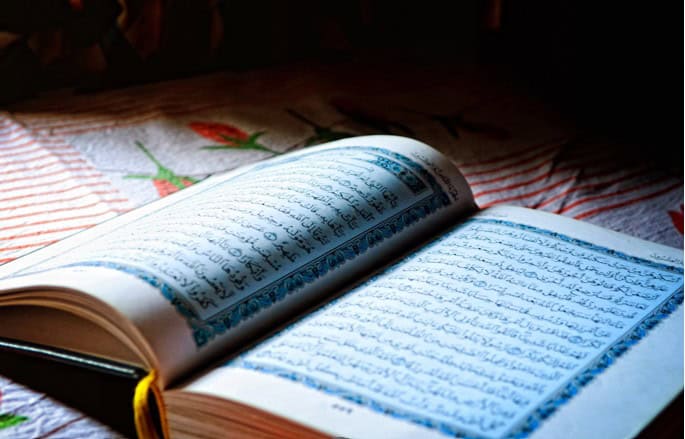
We live in a world of divisions, structured by secular scientific thinking which views people, nature, life as objects classified according to different categories. Faith – belief in the unseen – ranking low, if acknowledged at all on the dominant secular hierarchy of what is considered valid knowledge. This dominant hierarchy, which celebrates secular science as the only valid approach to knowing, as well as scientific compartmentalization of life into different categories (e.g., the separation between professional and private ‘selves’), has pushed faith into a private, if not hidden domain. In our professional lives, rational arguments should be made according to the logic and methods of secular science. Increasingly, this scientific logic is also creeping into our private lives. This secular approach to making sense of life and informing our decisions and actions is weakening a purpose driven life rooted in al-wahy (revelation). This is problematic because whereas scientific knowledge and sense-making are limited to what can be known by mankind through the means of scientific methods, revelation can be seen as a mercy from Allah SWT. The Quran, a core aspect of al-wahy, is described as a blessed or firm reminder to mankind.
وَهَـٰذَا ذِكْرٌۭ مُّبَارَكٌ أَنزَلْنَـٰهُ ۚ أَفَأَنتُمْ لَهُۥ مُنكِرُونَ
(And this [Qur’ān] is a blessed message which We have sent down. Then are you with it unacquainted? [21:50]).
The life and character of the Prophet Muhammad ﷺ, another aspect of al-wahy, is described as a mercy to all the worlds.
وَمَآ أَرْسَلْنَـٰكَ إِلَّا رَحْمَةًۭ لِّلْعَـٰلَمِينَ
(And We have not sent you, [O Muḥammad], except as a mercy to the worlds [21:107]).
Al-wahy is inspired by Allah SWT who is Al-Alim (العليم), the All-Knowing and Al-Hakeem (ٱلْحَكِيمُ), The All-Wise and most judicious who can determine right from wrong and is free from error or misunderstanding. Ayatul kursi states [2:255]:
بِإِذْنِهِۦ ۚ يَعْلَمُ مَا بَيْنَ أَيْدِيهِمْ وَمَا خَلْفَهُمْ ۖ وَلَا يُحِيطُونَ بِشَىْءٍۢ مِّنْ عِلْمِهِۦٓ إِلَّا بِمَا شَآءَ ۚ
(He knows what is [presently] before them and what will be after them, and they encompass not a thing of His knowledge except for what He wills).
Furthermore, studying the creation (Book of the Cosmos) together with other sources of revelation can deepen our understanding of al-wahy and divine order in our present-day context because all of creation was created in truth with infinite knowledge and wisdom.
أَوَلَمْ يَتَفَكَّرُوا۟ فِىٓ أَنفُسِهِم ۗ مَّا خَلَقَ ٱللَّهُ ٱلسَّمَـٰوَٰتِ وَٱلْأَرْضَ وَمَا بَيْنَهُمَآ إِلَّا بِٱلْحَقِّ وَأَجَلٍۢ مُّسَمًّۭى ۗ وَإِنَّ كَثِيرًۭا مِّنَ ٱلنَّاسِ بِلِقَآئِ رَبِّهِمْ لَكَـٰفِرُونَ ٨
(Do they not contemplate within themselves? Allāh has not created the heavens and the earth and what is between them except in truth and for a specified term. And indeed, many of the people, in the meeting with their Lord, are disbelievers [30:8]).
وَلَوْ أَنَّمَا فِى ٱلْأَرْضِ مِن شَجَرَةٍ أَقْلَـٰمٌۭ وَٱلْبَحْرُ يَمُدُّهُۥ مِنۢ بَعْدِهِۦ سَبْعَةُ أَبْحُرٍۢ مَّا نَفِدَتْ كَلِمَـٰتُ ٱللَّهِ ۗ إِنَّ ٱللَّهَ عَزِيزٌ حَكِيمٌۭ
(And if whatever trees upon the earth were pens and the sea [was ink], replenished thereafter by seven [more] seas, the words of Allāh would not be exhausted. Indeed, Allāh is Exalted in Might and Wise [31:27]).
Thus, it is not surprising that Islam is the only comprehensive, ethical and universal framework available for human well-being, which is interdependent with environmental well-being.
The Need for Transformation
The modern secular world repeatedly subjects people to overt and covert messages of identification with sociological and biopolitical identities, and what identification with that identity means. Consequently, our understanding of what it means to be Muslim risks being informed by identity politics and scattered fragments of information biased by algorithms, rather than by a deep and comprehensive study of the sources of revelation.Furthermore, negative connotations with the identity of being a Muslim, such as orientalism and Islamophobia, risks reserving our deen for private and ‘safe’ spaces. This weakens the deen because deen is not merely abstract beliefs about the unseen. The root’s (د ي ن) meanings revolve around obedience and judgement, encompassing faith, legal rulings and financial obligations according to divine order. Thus, deen is not merely abstract beliefs and lip-service but requires submission to Allah SWT commands and guidance in the revelation and accountability for one’s deeds. Therefore, our deen must be present in every aspect of our lives, private and public. We need to share the revelation, a mercy from Allah SWT with others through our deeds, especially in a world where horror is normalized, but without forcing the religion/deen onto anyone.
لَآ إِكْرَاهَ فِى ٱلدِّينِ ۖ قَد تَّبَيَّنَ ٱلرُّشْدُ مِنَ ٱلْغَىِّ ۚ فَمَن يَكْفُرْ بِٱلطَّـٰغُوتِ وَيُؤْمِنۢ بِٱللَّهِ فَقَدِ ٱسْتَمْسَكَ بِٱلْعُرْوَةِ ٱلْوُثْقَىٰ لَا ٱنفِصَامَ لَهَا ۗ وَٱللَّهُ سَمِيعٌ عَلِيمٌ
(There shall be no compulsion in [acceptance of] the religion. The right course has become distinct from the wrong. So, whoever disbelieves in ṭāghūt and believes in Allāh has grasped the most trustworthy handhold with no break in it. And Allāh is Hearing and Knowing [2:256]).
Al-wahy as a Framework for Transformation
Al-wahy as an epistemic framework has transformative potential for individuals and societies. Theorists of epistemological justice argue that modern secular science is unable to offer innovative solutions to modern-day challenges because of the limitations of the scientific method and the worldview in which it is embedded. These limitations include a dualistic worldview of binary opposites, fragmentation of understanding into increasingly smaller components which often overlooks inter-relationships and patterns. Rigid application of scientific methods, as well as requiring non-traditional scientific methods to conform to scientific criteria for validity, reliability, and trustworthiness, limits the expansion of our understanding. Islam provides examples and guidance for various decolonial suggestions of expanding our approach to learning and understanding. For example, to move from a binary understanding to multiplicity. We can recognise that Allah SWT created us in pairs, but there is a multiplicity of pairs with diversity. When we study these pairs, we recognise that different patterns and characteristics are shared in different combinations across pairs. E.g., across species (humans, animals, insects, plants etc) we see pairs of male and female. These pairs enable reproduction and the ‘birth’ of a new generation. This is a constant, reoccurring pattern. However, the process of procreation and ‘caring’ for the young vary greatly. Leopards mate and then the mother raises the cubs on her own. Elephants live in complex family structures with the matriarchal herd collectively protecting the young. Sea turtles have no active parenting role after laying their eggs. Plants rely on insects for fertilization and on birds and animals the distribute the seeds. When we open our minds to renewed ways of observing and making sense of the world beyond the rigid secular scientific approach and classifications (e.g., social sciences and natural science), one can start to recognise new patterns and inter-relationships, providing a holistic understanding of complexity. Al-wahy offers guidance for making sense of these patterns, the constants and variables we observe.
Sunnat Allah
Throughout the Quran various imagery relating to paths occur. Such as asking Allah SWT, the Lord of the Worlds, The Most Merciful One, The Master of the Day of Judgement to guide us to the straight path [1:6]
ٱهْدِنَا ٱلصِّرَٰطَ ٱلْمُسْتَقِيمَ
For the purposes of this essay, I will only refer to the pathway imagery of sunat, sunan, and sunnah. These words all share the Arabic root (س ن ن) and have meanings related to the way, the way of Allah, what has been prescribed or ordained, traditions and (established) practices. Sunnat Allah can then be understood as the way of Allah as ordained in truth [30:8]. The Sunnat Allah becomes visible through the sunan (the ways or practices – plural for sunnah). Sunan is also understood as universal laws. Different dimensions of sunan have been recognised, the most common being sunnah illahiyyah (social laws which also include the individual or personal dimension) and sunan kawniyyah (natural laws). Within these sunan, one can recognise individual laws or practices (sunnah), with some occurring in all the dimensions – social, individual, and natural. For example, submission to Allah SWT.
وَلَهُۥ مَن فِى ٱلسَّمَـٰوَٰتِ وَٱلْأَرْضِ ۖ كُلٌّۭ لَّهُۥ قَـٰنِتُونَ
(And to Him belongs whoever is in the heavens and earth. All are to Him devoutly obedient [30:26]).
These dimensions and patterns are all interconnected multidimensionally. If we can study the al-wahy – the Quran, the Book of the Cosmos, the seerah of the Prophet ﷺ, sunnah of the Prophet ﷺ, contemplate upon these, and make sense of it in relation to every aspect of our daily lives, then our understanding of life, its joys and hardships, the purpose and meaning of life can be enriched.
وَأَيُّوبَ إِذْ نَادَىٰ رَبَّهُۥٓ أَنِّى مَسَّنِىَ ٱلضُّرُّ وَأَنتَ أَرْحَمُ ٱلرَّٰحِمِينَ
فَٱسْتَجَبْنَا لَهُۥ فَكَشَفْنَا مَا بِهِۦ مِن ضُرٍّۢ ۖ وَءَاتَيْنَـٰهُ أَهْلَهُۥ وَمِثْلَهُم مَّعَهُمْ رَحْمَةًۭ مِّنْ عِندِنَا وَذِكْرَىٰ لِلْعَـٰبِدِينَ
(And [mention] Job, when he called to his Lord, “Indeed, adversity has touched me, and You are the most merciful of the merciful.” So, We responded to him and removed what afflicted him of adversity. And We gave him [back] his family and the like thereof with them as mercy from Us and a reminder for the worshippers [of Allāh] [21:83-84])
This enriched understanding can then inform the decisions and actions we take to live more meaningful lives with a future-oriented purpose to please Allah SWT and continuously grow closer to Him by worshipping Allah SWT in every aspect of our lives.